
How a round works
A child picks a booth in the alley and plays for 25 seconds. One booth asks which note is on the staff. Another asks how far apart two notes sound. Right answers win tickets.
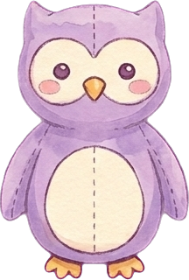
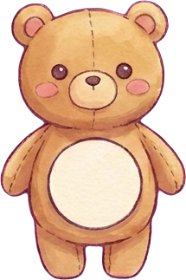
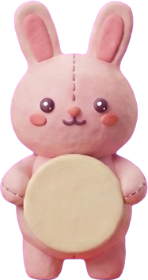
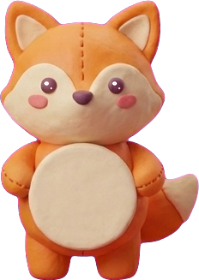
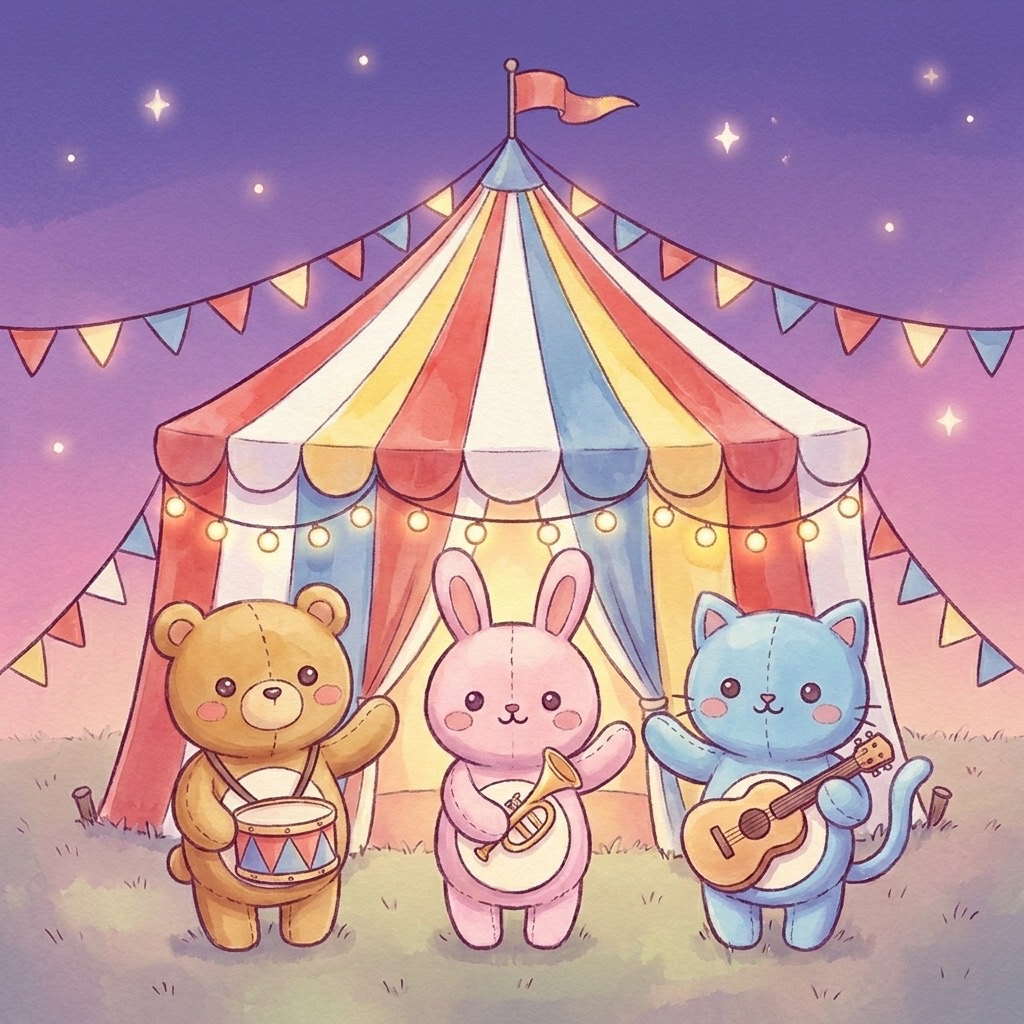
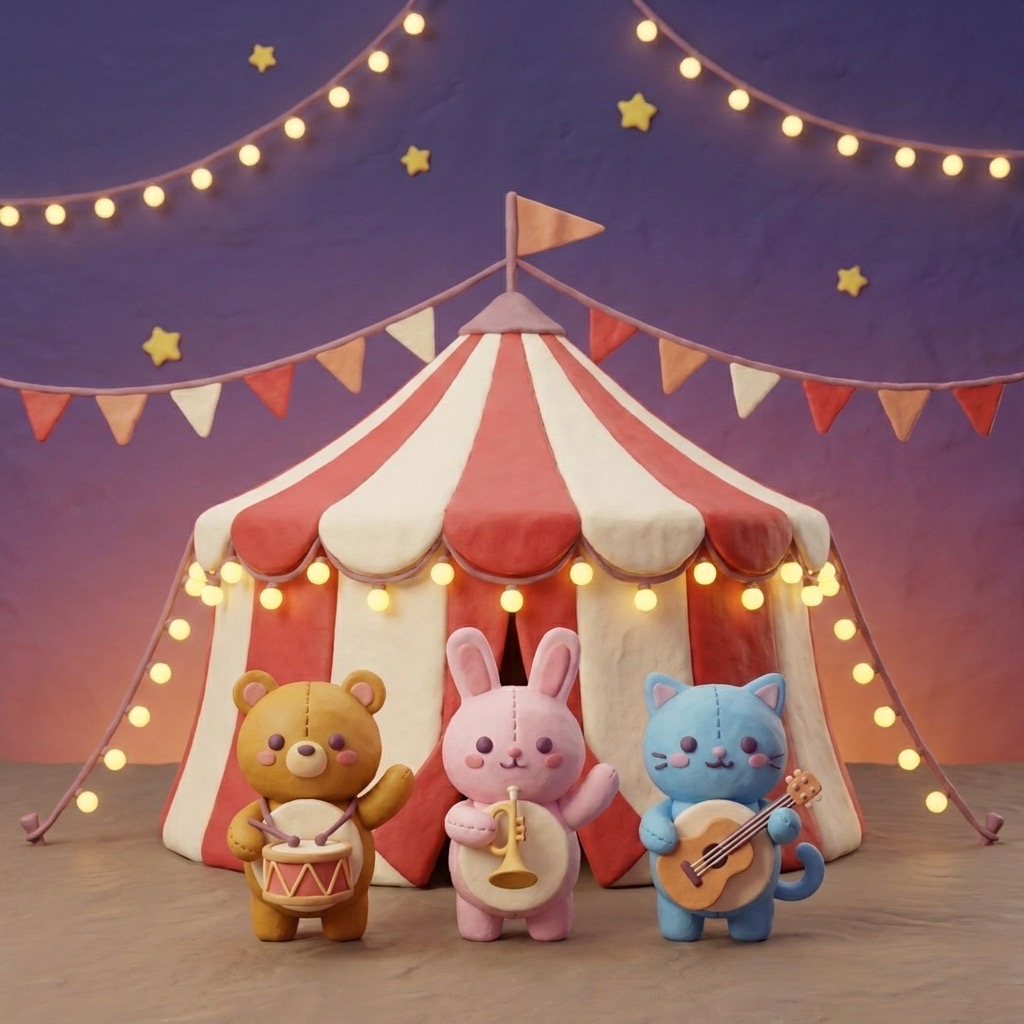
Tickets are spent at the prize counter on plush musicians. There are 30 of them to collect, which is the reason to come back to a skill that is not finished yet.
One skill at a time
Each booth teaches a single thing: note names, intervals, chords, rhythm, key signatures, ear training. Nothing asks two questions at once.
Real piano sound
Notes are played from recordings of a Yamaha C5 grand, not a synth beep, so an interval sounds like the instrument a child will sit at.
Practice that follows the child
Notes and intervals that were missed come back in later rounds. Ones already known come back less often.
Playable with the sound off
The staff always shows what the audio plays. A round works in a waiting room, in a car, or on a tablet with the volume down.
Two looks
Treble Town is drawn in two styles and the app shows one of them. Both are finished, and we are still learning which one children like more.
For grown-ups
Behind a parental gate there is a progress screen. It shows rounds played, minutes played, tickets won, which skills are strongest, and which ones are coming back for practice next.
The gate is a multiplication question written in words with a keypad answer, and it sits in front of the parent area, the settings, any purchase and any link that leaves the app.
What we do not put in a children's app
Treble Town is built for Apple's Kids Category, and the rules below are design constraints in the code rather than promises in a policy. The privacy page says the same thing in full.
- No ads, and no advertising SDKs of any kind.
- No third-party analytics, no tracking, no advertising identifier.
- No accounts, no sign-in, no chat, and nothing a child can type to a stranger.
- No personal information collected, from a child or a parent.
- Progress is saved on the device and is not sent anywhere.
- No third-party content loaded at runtime: no outside fonts, scripts or images.
What is in the full game
Eighteen booths in all. Note Claw and the Interval Shooting Gallery are the two you can play now. The rest cover chords, rhythm, key signatures and ear training.
The full game also opens the prize counter, where tickets are traded for the 30 plush musicians, and the progress screen for grown-ups.
Credits
Piano: Salamander Grand Piano by Alexander Holm, licensed CC BY 3.0.
Everything else, the art, the games and the code, was made for Treble Town by J&B Creations.